- +971 56 918 6895
- sales@globaltechuae.com
- Salah Al Din Road, Deira, Dubai-UAE


Micro Laptop Computer: The Ultimate Portable Computing Guide


The computing landscape has undergone a remarkable transformation over the past decade, with devices becoming increasingly compact without sacrificing performance. The micro laptop computer represents the pinnacle of this evolution, offering unprecedented portability for professionals, students, and travelers who demand computing power on the go. These ultra-compact devices pack impressive specifications into form factors that can fit into a jacket pocket, redefining what it means to work remotely and stay connected in 2026.
Understanding the Micro Laptop Computer Revolution
The micro laptop computer category has emerged as a distinct segment within the broader portable computing market. These devices typically feature screen sizes ranging from 7 to 11 inches and weigh less than 2 pounds, making them substantially smaller than traditional laptops. Unlike tablets with detachable keyboards, a true micro laptop computer maintains the clamshell design that professionals have relied on for decades.
Modern micro laptop computers benefit from significant technological advances in miniaturization. IBM’s development of sub-1nm computer chips has opened new possibilities for packing more processing power into smaller spaces. This breakthrough enables manufacturers to deliver desktop-class performance in devices that fit in the palm of your hand.
Key Features That Define Micro Laptop Computers
What sets a micro laptop computer apart from its larger counterparts extends beyond mere size. Several critical specifications determine whether a device truly qualifies as a micro laptop:
- Screen size: Typically 7 to 11 inches diagonal measurement
- Weight: Generally under 2 pounds (900 grams)
- Thickness: Often less than 0.75 inches when closed
- Battery life: 6 to 12 hours of typical use
- Processing power: Modern processors optimized for efficiency
- Storage: SSD-based systems for durability and speed
- Connectivity: Full Wi-Fi 6E and Bluetooth 5.3 support
The specifications reveal a careful balance between portability and functionality. Manufacturers continuously refine their designs to maximize performance within strict physical constraints.
Performance Capabilities in Ultra-Compact Form Factors
Many skeptics question whether a micro laptop computer can deliver adequate performance for professional tasks. The answer increasingly leans toward yes, thanks to processor efficiency improvements and thermal management innovations. Modern ultra-low-voltage processors from leading manufacturers provide surprising computational power while maintaining thermal envelopes suitable for small chassis designs.
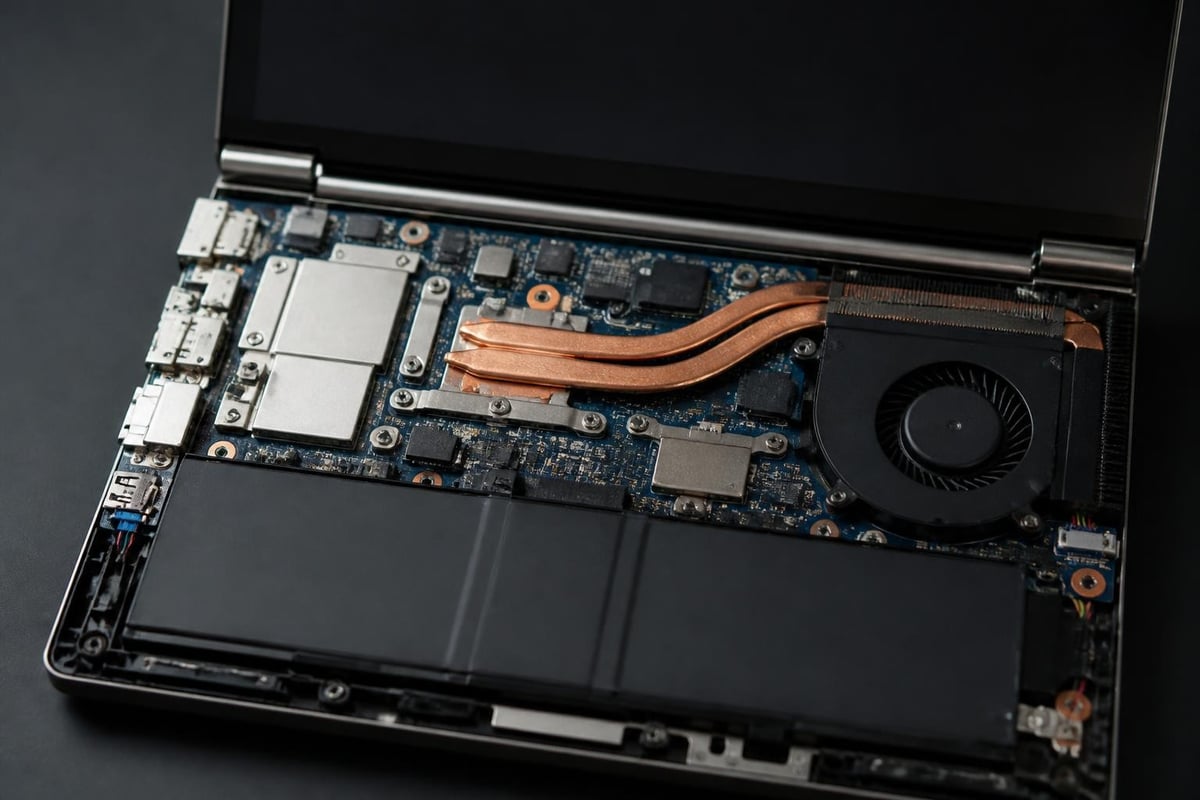
Thermal management presents unique challenges in micro laptop computer design. Innovative cooling solutions like xMEMS Labs’ µCooling technology address these constraints through solid-state fans measuring just 1mm thick. These advances prevent thermal throttling, allowing micro laptops to sustain peak performance during demanding workloads.
Real-World Performance Benchmarks
| Task Category | Micro Laptop Performance | Traditional Laptop Performance | Efficiency Rating |
|---|---|---|---|
| Web Browsing | Excellent | Excellent | 95% equivalent |
| Document Editing | Excellent | Excellent | 98% equivalent |
| Video Conferencing | Good to Excellent | Excellent | 85% equivalent |
| Photo Editing | Moderate to Good | Excellent | 70% equivalent |
| Video Editing | Limited to Moderate | Good to Excellent | 50% equivalent |
| Gaming | Limited | Moderate to Excellent | 35% equivalent |
The performance comparison demonstrates that a micro laptop computer excels at productivity tasks while showing limitations in graphics-intensive applications. Business professionals who focus on communication, documentation, and web-based workflows will find these devices remarkably capable.
Innovative Design Trends Shaping Micro Laptops
The micro laptop computer market continues evolving with experimental form factors and unconventional approaches. Laptop designs are becoming increasingly creative, incorporating dual screens, foldable displays, and modular components. These innovations promise to expand the capabilities of ultra-compact devices significantly.
Modularity represents a particularly exciting trend for micro laptop computer users. Intel’s vision for modular laptop designs aims to bring desktop-like upgradeability to portable devices. This approach could extend device lifespans and reduce electronic waste while allowing users to customize their systems according to specific needs.
Transparency and Advanced Display Technologies
Forward-thinking manufacturers are exploring radical new concepts. Lenovo’s transparent display laptop concept showcases how future micro laptop computers might blend digital and physical workspaces. While such innovations remain experimental, they indicate the industry's commitment to reimagining portable computing.
The practical benefits of these design experiments extend beyond novelty. Transparent displays could revolutionize presentations and collaborative work, while modular components ensure that a micro laptop computer remains current through strategic upgrades rather than complete replacement.
Practical Use Cases for Micro Laptop Computers
Understanding when a micro laptop computer makes sense requires examining specific scenarios where ultra-portability provides genuine advantages. These devices shine brightest when mobility trumps raw performance requirements.
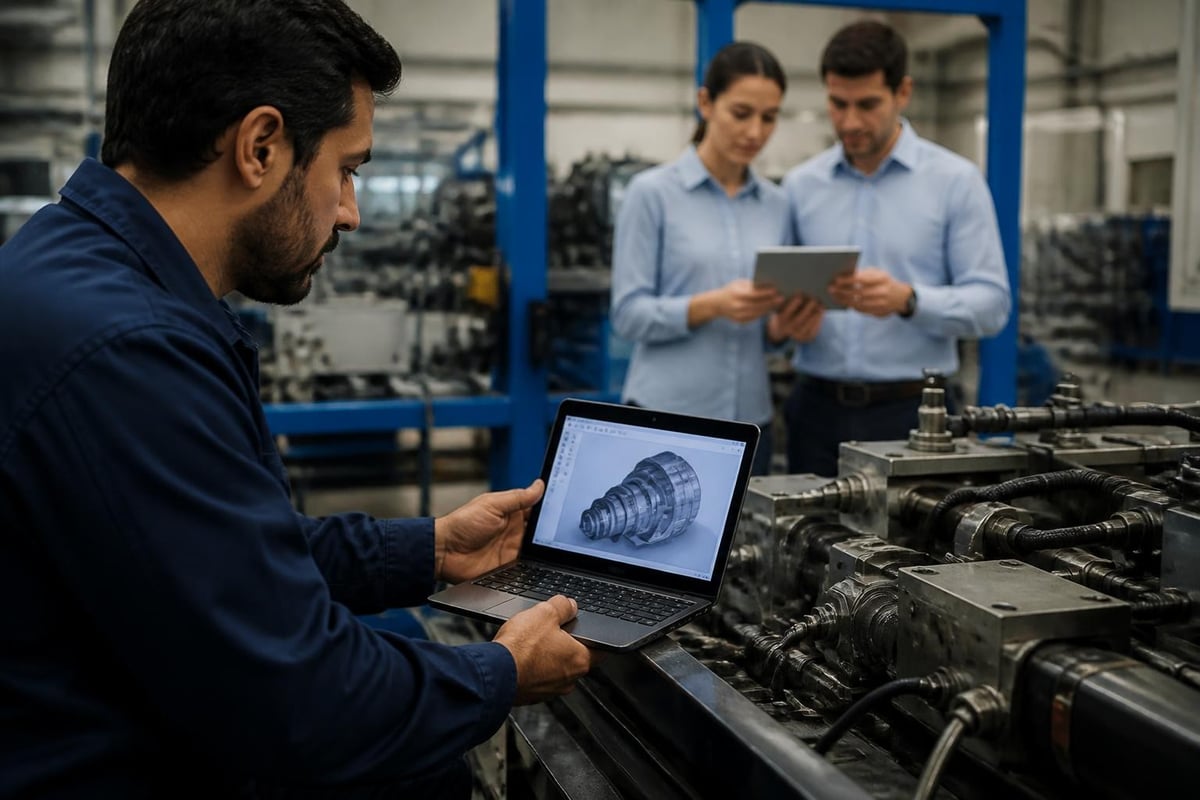
Field Service Professionals: Technicians conducting on-site diagnostics, repairs, and installations benefit enormously from devices that fit in tool bags alongside equipment. A micro laptop computer provides instant access to technical documentation, parts databases, and diagnostic software without requiring a dedicated carrying case.
Frequent Travelers: Business professionals who spend significant time in airports, taxis, and hotel rooms appreciate the minimal weight and space requirements. The ability to work comfortably on airline tray tables gives micro laptop computers a distinct edge over 15-inch workstations.
Medical Professionals: Doctors and nurses making rounds require quick access to patient records and medical references. A micro laptop computer slips easily into lab coat pockets while providing full computing capabilities for electronic health records systems.
- Emergency response coordinators managing incidents from mobile command centers
- Journalists covering events where quick setup and portability are essential
- Sales representatives demonstrating products and accessing catalogs during client meetings
- Educational professionals conducting field research or outdoor classroom activities
- Creative professionals sketching concepts and reviewing work during location scouting
Selecting the Right Micro Laptop Computer
Purchasing decisions require careful evaluation of specifications against intended use cases. Not all micro laptop computers offer identical capabilities, and understanding key differentiators ensures satisfaction with your investment.
Essential Specification Checklist
Processor Selection: Current-generation processors from reputable manufacturers provide the best balance of performance and power efficiency. Look for chips specifically designed for ultra-mobile applications, as these optimize battery life without excessive performance compromise.
Memory Considerations: A minimum of 8GB RAM supports comfortable multitasking in 2026, though 16GB provides better future-proofing. Many micro laptop computers feature soldered memory, making initial selection critical since later upgrades may prove impossible.
Storage Capacity and Type: NVMe SSDs deliver optimal performance in micro laptop computers. Capacity between 256GB and 512GB typically suffices for users who leverage cloud storage, while power users may require 1TB or more.
Display Quality: Screen resolution significantly impacts usability on small displays. A minimum of 1920×1080 (Full HD) ensures text remains crisp and readable. Some premium micro laptop computers offer higher resolutions, though battery life implications deserve consideration.
Battery Endurance: Real-world battery life often falls short of manufacturer claims. Target specifications exceeding 8 hours of typical use to ensure all-day productivity without constant charging anxiety.
Connectivity Options: Adequate port selection matters greatly. USB-C ports with Power Delivery and DisplayPort support provide maximum versatility. Consider whether you need traditional USB-A, HDMI, or microSD card readers based on existing peripherals.
Maintenance and Longevity Considerations
The compact nature of a micro laptop computer creates unique maintenance challenges. Understanding these factors helps maximize device lifespan and minimize frustration.
Intel’s blueprint for fully repairable and modular laptops addresses growing concerns about device longevity and environmental impact. While true modularity remains aspirational for most micro laptop computers in 2026, the industry trend favors increased repairability.
Extending Micro Laptop Computer Lifespan
- Keep firmware and drivers updated through manufacturer channels
- Use compressed air for regular keyboard and vent cleaning
- Apply thermal paste replacement every 24-36 months if technically feasible
- Maintain battery health through proper charging habits
- Protect against physical damage with appropriate cases or sleeves
- Consider extended warranty coverage given repair complexity
Most micro laptop computers integrate components tightly, making user-serviceable repairs limited. Professional service becomes necessary for most hardware issues, emphasizing the importance of warranty coverage and manufacturer support quality.
Market Landscape and Notable Models
The micro laptop computer market includes offerings from established manufacturers and specialized boutique brands. Each approaches the category with different philosophies regarding performance, features, and target audiences.
The GPD MicroPC 2 represents the extreme end of miniaturization with its 7-inch display and 500-gram weight. While niche, such devices demonstrate the technical possibilities within ultra-compact computing.
Comparing Popular Micro Laptop Computer Categories
| Category | Screen Size | Weight Range | Target User | Price Range |
|---|---|---|---|---|
| Ultra-Mini | 7-8 inches | 400-700g | Specialists, hobbyists | $400-$800 |
| Compact | 9-10 inches | 700-900g | Mobile professionals | $600-$1,200 |
| Small Standard | 11-12 inches | 900-1,100g | General business users | $800-$1,500 |
| Premium Compact | 11-13 inches | 850-1,000g | Executive professionals | $1,200-$2,500 |
Price positioning reflects specification levels, build quality, and brand reputation. Industry development trends indicate continued growth in the lightweight and portable laptop segment, suggesting increasing options for consumers.
Integration with Business IT Infrastructure
Deploying micro laptop computers within organizational IT environments requires consideration of management, security, and compatibility factors. These compact devices must function seamlessly alongside existing infrastructure while maintaining security postures.
Modern micro laptop computers support standard enterprise management tools including Mobile Device Management (MDM) platforms and endpoint protection solutions. Cloud-based management systems prove particularly advantageous given the mobile nature of these devices, enabling IT teams to monitor, update, and secure systems regardless of physical location.
Security Considerations for Mobile Deployments
Encryption capabilities deserve priority attention when evaluating a micro laptop computer for business use. Full-disk encryption protects sensitive data if devices are lost or stolen, a realistic concern given their highly portable nature. Biometric authentication through fingerprint readers or facial recognition adds convenient yet robust access control.
Virtual Private Network (VPN) support ensures secure communications when connecting through untrusted networks. Many organizations require VPN access for all remote connections, making built-in compatibility essential rather than optional.
Future Outlook for Micro Laptop Computers
The trajectory for micro laptop computer development points toward continued miniaturization alongside performance improvements. Emerging technologies in processor design, battery chemistry, and display manufacturing will enable capabilities currently impossible in ultra-compact form factors.
Artificial intelligence integration represents a significant opportunity for micro laptop computers. On-device AI processing for voice assistants, predictive text, and automated workflows could differentiate premium models while enhancing productivity without constant cloud connectivity.
Flexible and foldable display technology may eventually eliminate the traditional clamshell design entirely. A micro laptop computer might transform into a tablet when fully opened or fold into a pocket-sized package smaller than current possibilities allow.
The shift toward modular and repairable designs could fundamentally change ownership economics. If users can upgrade processors, memory, or storage independently, a micro laptop computer becomes a long-term investment rather than a disposable commodity.
Accessories That Maximize Micro Laptop Utility
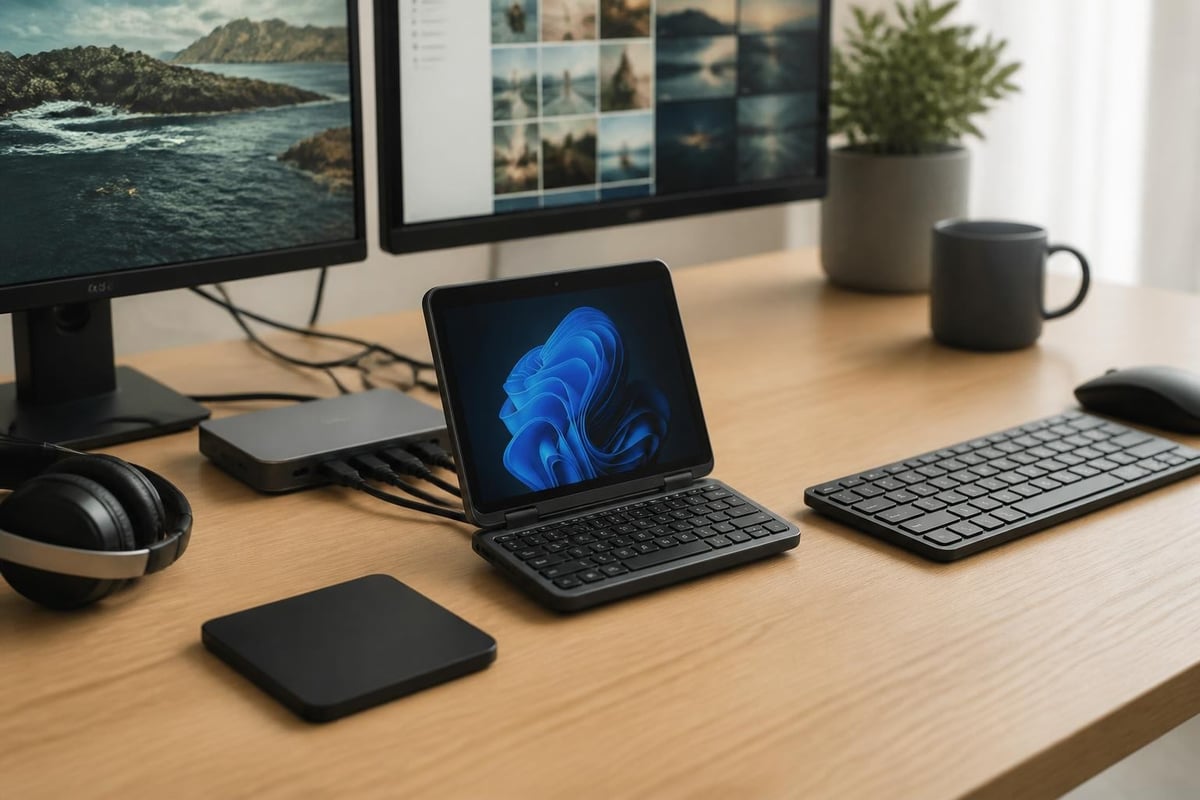
Pairing a micro laptop computer with appropriate accessories extends capabilities and compensates for physical limitations inherent to compact designs. Strategic peripheral selection transforms these portable devices into versatile workstations.
Portable Monitors: USB-C powered displays add screen real estate without sacrificing portability. Models ranging from 13 to 15 inches provide dual-screen productivity while folding flat for transport.
Wireless Keyboards and Mice: External input devices address ergonomic concerns during extended work sessions. Compact mechanical keyboards deliver superior typing experiences compared to built-in options on most micro laptop computers.
USB-C Hubs and Docks: Expanding connectivity through quality hubs enables simultaneous use of multiple peripherals. Docking stations create instant desktop setups when returning to office environments.
Protective Cases: Purpose-built sleeves protect against bumps and scratches while adding minimal bulk. Hard-shell cases offer maximum protection for harsh environments at the cost of increased size.
Power Banks: High-capacity USB-C power banks extend operating time during long flights or days away from outlets. Select models supporting Power Delivery at appropriate wattages for your specific micro laptop computer.
Environmental and Sustainability Factors
Electronic waste represents a growing environmental challenge, and micro laptop computer purchasing decisions carry sustainability implications. Understanding the lifecycle impact helps align technology choices with environmental values.
Longer device lifespans reduce waste and resource consumption. Choosing models with replaceable batteries and accessible components enables repairs that extend usability beyond typical replacement cycles. The emerging focus on modularity directly addresses sustainability concerns by enabling component-level upgrades rather than complete system replacement.
Energy efficiency in micro laptop computers typically exceeds larger devices due to power-optimized processors and smaller displays. Lower power consumption translates to reduced carbon footprint over the device lifetime, particularly for users in regions dependent on fossil fuel-based electricity generation.
Responsible disposal programs offered by manufacturers and retailers ensure proper recycling of electronic components when devices reach end-of-life. Participation in these programs recovers valuable materials while preventing toxic substances from entering landfills.
The micro laptop computer segment continues maturing into a viable solution for professionals prioritizing mobility without completely sacrificing productivity capabilities. Advances in miniaturization, thermal management, and modular design promise even more capable devices in coming years. Whether you're equipping field technicians, mobile sales teams, or executives who travel extensively, Global Tronix Computer Trading LLC offers expert guidance and a comprehensive selection of IT products to meet your portable computing needs across Africa and the UAE.
